
What Are Antioxidants and How Do They Work?
Antioxidants are natural compounds that help protect our cells from damage caused by unstable molecules called free radicals.
Free radicals are produced naturally during normal body processes, such as metabolism and immune activity. They can also increase due to external factors like pollution, UV exposure, stress, and an unhealthy diet.
When free radicals build up, they may contribute to oxidative stress, a process linked to aging and various health concerns. Antioxidants help maintain balance by neutralizing free radicals and supporting the body’s natural defense systems.
Common antioxidants include:
- Vitamin C and Vitamin E
- Polyphenols found in plants
- Carotenoids such as beta-carotene and lutein
- Minerals like selenium
- Compounds such as CoQ10 and glutathione
Health Benefits of Antioxidants
1. Support Cellular Health
Antioxidants help protect important cellular structures, including DNA, proteins, and cell membranes, from oxidative damage. Maintaining healthy antioxidant levels supports normal aging and overall wellness.
2. Support Heart Health
Many antioxidant-rich foods contain polyphenols that may support cardiovascular health by:
- Supporting healthy blood vessel function
- Helping maintain normal cholesterol levels
- Reducing oxidative stress related to heart health
Foods such as berries, nuts, green tea, and dark chocolate are especially rich in heart-friendly antioxidants.
3. Support Brain Function
The brain uses a large amount of energy, making it especially sensitive to oxidative stress.
Antioxidants found in berries, leafy greens, cocoa, and green tea may help support:
- Healthy brain aging
- Cognitive function
- Protection against everyday cellular stress
4. Promote Healthy Skin
The skin is constantly exposed to environmental stressors, including sunlight and pollution.
Antioxidants such as vitamin C, vitamin E, and plant polyphenols may help:
- Support collagen production
- Maintain skin elasticity
- Protect skin cells from oxidative stress
5. Support Immune Function
A balanced intake of antioxidants helps maintain healthy immune cells and supports the body’s natural defense mechanisms.
Best Foods High in Antioxidants
A wide variety of plant foods provide antioxidants. Instead of focusing on a single “superfood,” eating different colorful foods throughout the week provides a broader range of beneficial compounds.
1. Dark Chocolate
Dark chocolate contains cocoa flavanols, powerful plant compounds associated with antioxidant activity.
Best choice: Look for dark chocolate with 70% or higher cocoa content and lower added sugar.
2. Berries
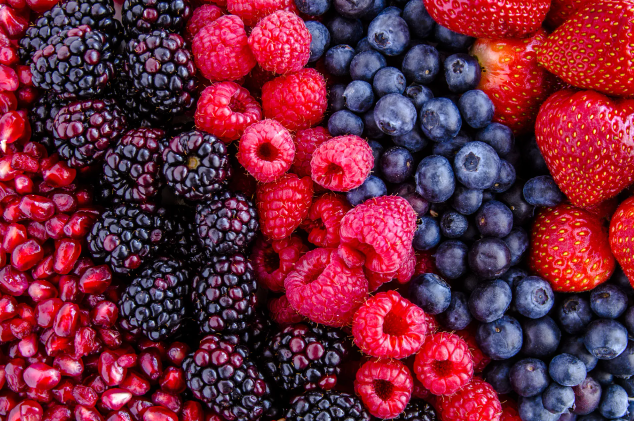
Blueberries, strawberries, raspberries, and blackberries are rich in anthocyanins and vitamin C.
Benefits include:
- Supporting brain health
- Helping maintain healthy inflammation levels
- Providing essential nutrients
3. Green Tea and Matcha
Green tea contains catechins, especially EGCG, a well-studied antioxidant compound.
Regular green tea consumption may support:
- Heart health
- Metabolic health
- Cellular protection
4. Nuts and Seeds
Nuts such as walnuts and pecans provide antioxidants, healthy fats, and minerals.
Seeds including chia, flax, and sunflower seeds contain vitamin E and plant compounds that support overall nutrition.
5. Leafy Green Vegetables
Spinach and other leafy greens contain:
- Vitamin C
- Lutein
- Zeaxanthin
- Plant polyphenols
These nutrients support eye health and overall cellular protection.
6. Beans and Legumes
Beans, lentils, and chickpeas provide polyphenols, fiber, and plant-based protein.
They are excellent additions to a balanced diet and support digestive and metabolic health.
7. Colorful Fruits and Vegetables
Other antioxidant-rich choices include:
- Pomegranates
- Red grapes
- Avocados
- Beets
- Broccoli
- Tomatoes
Eating a variety of colors often means getting a wider range of plant nutrients.
Popular Antioxidant Supplements
Whole foods should be the foundation of antioxidant intake, but some supplements are commonly used to support specific nutritional goals.
Resveratrol
Found naturally in grapes and berries, resveratrol is a plant compound studied for its antioxidant and anti-inflammatory properties.
Curcumin
The active compound in turmeric, curcumin is widely researched for supporting healthy inflammatory responses.
CoQ10
Coenzyme Q10 plays an important role in cellular energy production and antioxidant protection.
Green Tea Extract (EGCG)
Green tea extract provides concentrated catechins and is commonly used in antioxidant supplements.
NAC (N-Acetyl Cysteine)
NAC supports production of glutathione, one of the body’s important antioxidant molecules.
Astaxanthin
A carotenoid from microalgae, astaxanthin is known for its strong antioxidant activity and is often used in skin and exercise-support supplements.
How to Get More Antioxidants Naturally
The best approach is a balanced, plant-rich diet.
Try these simple habits:
- Eat a variety of colorful fruits and vegetables
- Add herbs and spices such as turmeric, ginger, and cinnamon
- Choose whole grains instead of refined grains
- Include nuts and seeds regularly
- Drink green tea instead of sugary beverages
- Combine antioxidant foods with healthy fats to improve nutrient absorption
Final Thoughts
Antioxidants play an important role in protecting cells and supporting overall health. While supplements can be useful in certain situations, the most effective strategy is usually a diverse diet rich in fruits, vegetables, nuts, seeds, herbs, and whole foods.
A colorful plate is often one of the simplest ways to increase your antioxidant intake and support long-term wellness.