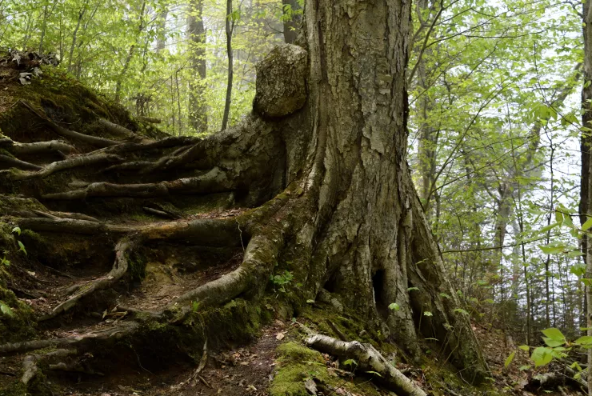

Forests are one of the most valuable ecosystems on Earth. Covering a significant portion of the planet’s land, forests provide homes for countless species, support human communities, regulate the climate, and help maintain the balance of nature.
For many people, forests are simply beautiful places to hike, relax, and enjoy outdoor adventures. But beyond their beauty, forests perform essential functions that make life possible.
From producing clean air and protecting wildlife to reducing climate change and improving human wellbeing, forests provide benefits that affect every person on the planet.
Here are 20 important reasons why forests matter.
1. Forests Help Produce the Air We Breathe
Trees play an important role in maintaining healthy air quality.
Through photosynthesis, trees absorb carbon dioxide and release oxygen, helping create cleaner air for humans and animals.
Forests also capture airborne pollutants and filter harmful particles, creating healthier environments for communities.
Every walk through a forest is a reminder that healthy ecosystems directly support human life.
2. Forests Protect Global Biodiversity
Forests are home to an incredible variety of plants, animals, insects, and microorganisms.
Many species depend on forest ecosystems for:
- Food
- Shelter
- Breeding areas
- Protection from predators
Tropical forests especially contain some of the highest levels of biodiversity on Earth.
Protecting forests means protecting countless species that contribute to a balanced ecosystem.
3. Forests Support Human Communities
Millions of people around the world depend on forests for their livelihoods, food sources, materials, and cultural traditions.
Forest communities often rely on natural resources such as:
- Fruits
- Nuts
- Medicinal plants
- Wood products
For many indigenous communities, forests are not just resources — they are an essential part of their identity and way of life.
4. Forests Keep Temperatures Cooler
Trees naturally provide shade and help regulate temperatures.
In cities, forests and urban trees can reduce the effects of heat islands by cooling streets, buildings, and surrounding areas.
A neighborhood with more trees often feels noticeably cooler than one dominated by concrete and pavement.
5. Forests Help Fight Climate Change
Trees are natural carbon storage systems.
They absorb carbon dioxide from the atmosphere and store carbon in:
- Wood
- Leaves
- Roots
- Soil
Healthy forests help reduce greenhouse gases and play an important role in addressing climate change.
Protecting existing forests is one of the most effective ways to preserve natural carbon storage.
6. Forests Influence Rainfall and Weather Patterns
Large forest ecosystems can influence local and regional weather.
Trees release water vapor through a process called transpiration, which contributes to cloud formation and rainfall.
Forests help maintain natural water cycles that support agriculture, wildlife, and human communities.
7. Forests Help Prevent Flooding
Tree roots act like natural water management systems.
They help:
- Absorb rainfall
- Reduce water runoff
- Stabilize soil
- Slow flood movement
Without forests, heavy rainfall can cause greater flooding and soil erosion.
8. Forests Protect Rivers and Water Systems
Forests help filter water before it reaches rivers, lakes, and groundwater systems.
Tree roots and forest soil can capture:
- Sediment
- Pollutants
- Excess nutrients
Healthy forests contribute to cleaner water supplies for both people and wildlife.
9. Forests Help Recharge Groundwater
Forest landscapes allow rainwater to slowly move into the ground.
This process helps refill underground water sources that provide water for:
- Drinking
- Farming
- Natural ecosystems
Forests are essential parts of healthy water cycles.
10. Forests Protect Agriculture
Forests support farming systems in many ways.
They can:
- Reduce strong winds
- Protect crops
- Provide habitats for pollinators
- Support natural pest control
Birds, insects, and other wildlife living in forests often contribute to healthier agricultural environments.
11. Forests Prevent Soil Erosion
Tree roots hold soil together and protect landscapes from being damaged by wind and water.
Without forests, soil can be lost more quickly, reducing land quality and increasing environmental problems.
Healthy forests help maintain productive ecosystems.
12. Forests Can Help Clean Contaminated Environments
Some plants and trees can absorb or reduce certain pollutants through a natural process called phytoremediation.
Forests can help improve environmental health by interacting with contaminated soils and water systems.
13. Forests Improve Air Quality
Trees naturally filter air pollutants.
They can capture substances such as:
- Dust particles
- Nitrogen compounds
- Other airborne pollutants
Urban forests and green spaces can improve the quality of life in cities.
14. Forests Reduce Noise Pollution
Forests create natural sound barriers.
Trees, leaves, and vegetation help absorb and reduce unwanted sounds from:
- Roads
- Construction
- Urban environments
This creates peaceful spaces where people can relax and reconnect with nature.
15. Forests Provide Food
Forests provide many natural foods, including:
- Fruits
- Nuts
- Mushrooms
- Seeds
- Honey
- Wild plants
Many communities around the world rely on forests as important sources of nutrition.
16. Forests Provide Sustainable Materials
Trees provide renewable materials that humans have used for centuries.
Responsible forestry can provide:
- Wood
- Paper products
- Natural fibers
- Building materials
The key is sustainable management that protects forest ecosystems while allowing responsible use.
17. Forests Create Jobs and Support Economies
Forests support millions of jobs worldwide.
Industries connected with forests include:
- Sustainable forestry
- Conservation
- Ecotourism
- Natural products
Protecting forests can also create new opportunities in environmental restoration and green industries.
18. Forests Inspire Beauty and Creativity
Forests provide something beyond practical benefits — they inspire people.
Natural landscapes have influenced:
- Art
- Photography
- Writing
- Culture
The beauty of forests encourages people to appreciate and protect the natural world.
19. Forests Support Mental Health and Relaxation
Spending time in forests can have powerful effects on wellbeing.
Nature experiences can help:
- Reduce stress
- Improve mood
- Encourage mindfulness
- Promote relaxation
Activities such as hiking, walking, and forest bathing have become popular ways to support mental wellness.
20. Forests Connect Communities With Nature
Forests remind us that humans are part of a larger natural system.
They provide places where people can:
- Explore
- Learn
- Exercise
- Relax
- Build appreciation for the environment
A stronger connection with nature often leads to more sustainable choices in everyday life.
How You Can Help Protect Forests
Everyone can contribute to forest conservation through simple actions:
Choose Sustainable Products
Look for responsibly sourced wood and paper products.
Reduce Waste
Using fewer resources helps reduce pressure on natural ecosystems.
Plant Trees and Native Plants
Local plants support biodiversity and wildlife.
Spend More Time in Nature
People who experience nature are often more motivated to protect it.
Support Conservation Efforts
Protecting forests requires collective action from communities, organizations, and individuals.
Final Thoughts
Forests are much more than collections of trees. They are living ecosystems that support the air we breathe, the water we drink, the food we grow, and the natural balance of our planet.
They protect wildlife, improve human health, fight climate change, and provide spaces where people can reconnect with nature.
By understanding why forests are important, we can make better choices that support a healthier planet and a more sustainable future.
Every walk through the woods is a reminder that protecting forests means protecting life itself.