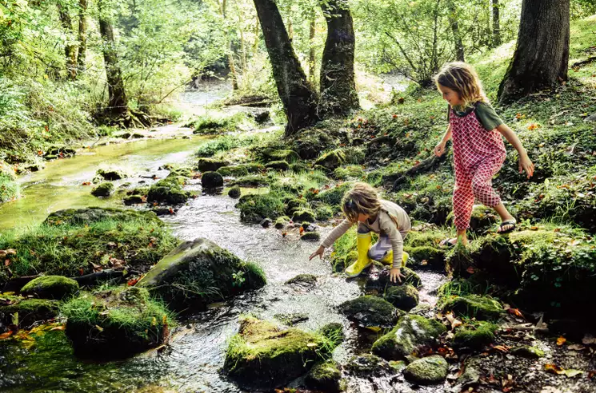

Healthy rivers are essential for a healthy planet. They provide water, support wildlife, prevent erosion, and create important habitats for countless species.
However, many rivers and streams around the world have been damaged by deforestation, agriculture, urban development, and human activity. When natural vegetation disappears from riverbanks, ecosystems become weaker and more vulnerable.
One of the most effective ways to restore these environments is through riparian planting — the process of restoring native plants, trees, and vegetation along waterways.
Riparian planting is a simple but powerful example of how working with nature can help repair damaged ecosystems and create a more sustainable future.
What Is Riparian Planting?
Riparian planting refers to growing native vegetation along the edges of rivers, streams, lakes, and wetlands.
The area beside a waterway is called the riparian zone. This transition area between land and water plays an important role in maintaining ecosystem health.
A healthy riparian zone may include:
- Native trees
- Shrubs
- Grasses
- Wetland plants
- Wildflowers
These plants work together to protect water quality, support wildlife, and stabilize the surrounding landscape.
Why Are Riverbanks Important?
Riverbanks are much more than the land beside a river.
They act as natural protection systems that help:
- Filter pollutants
- Control erosion
- Reduce flooding
- Provide wildlife habitats
- Maintain water temperature
When vegetation is removed, riverbanks often become unstable.
Without plant roots holding the soil together, rainfall and flowing water can quickly wash away valuable soil.
Benefits of Riparian Planting
1. Reduces Soil Erosion
Plant roots help anchor soil and prevent riverbanks from collapsing.
Trees, shrubs, and grasses create stronger landscapes that can better withstand:
- Heavy rainfall
- Strong currents
- Flood events
Healthy vegetation acts as a natural barrier against erosion.
2. Improves Water Quality
Plants along waterways help filter pollutants before they enter rivers.
Riparian vegetation can reduce the movement of:
- Fertilizers
- Agricultural runoff
- Sediment
- Other contaminants
Cleaner waterways create healthier environments for fish, insects, birds, and other wildlife.
3. Supports Biodiversity
River ecosystems are home to many species.
Restored riverbanks provide:
- Nesting areas
- Food sources
- Shelter
- Wildlife corridors
Native plants attract:
- Birds
- Pollinators
- Amphibians
- Small mammals
- Beneficial insects
A healthy riverbank creates a connected ecosystem where many species can thrive.
4. Helps Control Flooding
Natural vegetation helps slow down water movement during heavy rainfall.
Roots improve soil structure, allowing the ground to absorb more water.
Riparian areas can act like natural flood protection systems by:
- Reducing runoff speed
- Storing excess water
- Protecting nearby land
5. Keeps Rivers Cooler
Trees and shrubs provide shade that helps regulate water temperatures.
Cooler water benefits aquatic species, especially fish and insects that depend on stable conditions.
As climate change increases temperatures worldwide, maintaining natural shade along waterways becomes increasingly important.
What Are Riparian Buffer Zones?
A riparian buffer zone is a protected area of vegetation maintained along a river or stream.
These areas are designed to reduce human disturbance and allow natural ecosystems to recover.
A buffer zone may include:
- Native forests
- Wetlands
- Grasslands
- Shrub areas
The purpose is to create a safe space where nature can rebuild itself.
Why Native Plants Matter
When restoring riverbanks, choosing the right plants is essential.
Native plants are usually the best option because they are adapted to local conditions.
They can:
- Survive local weather conditions
- Support native wildlife
- Require less maintenance
- Protect local ecosystems
Non-native plants may sometimes spread aggressively and disrupt natural habitats.
Can Nature Restore Rivers by Itself?
In some cases, the best restoration approach is simply allowing nature to recover.
When human pressures are removed, native vegetation may return naturally.
Examples include:
- Reducing grazing pressure
- Preventing unnecessary development
- Protecting river edges
- Limiting disturbance
Sometimes the most effective restoration method is giving nature the space and time it needs.
The Role of Wildlife in River Restoration
Plants are not the only important part of river ecosystems.
Wildlife also plays a major role.
Certain animals act as natural ecosystem engineers by changing their environment in ways that benefit other species.
For example, beavers can create wetlands by building dams, which can:
- Slow water flow
- Create new habitats
- Improve biodiversity
Healthy ecosystems depend on the relationship between plants, animals, water, and landscapes.
How Individuals Can Support River Restoration
Even if you do not own land near a river, you can support healthier waterways.
Simple actions include:
Plant Native Species
Native gardens help support local ecosystems and wildlife.
Reduce Chemical Use
Using fewer pesticides and fertilizers helps protect waterways.
Volunteer With Conservation Groups
Many communities organize:
- River cleanups
- Tree planting events
- Habitat restoration projects
Protect Natural Areas
Supporting conservation efforts helps preserve important ecosystems.
Riparian Planting and Sustainable Living
Sustainable living is not only about reducing waste or choosing eco-friendly products.
It is also about restoring the natural systems that support life.
Healthy rivers provide:
- Clean water
- Wildlife habitats
- Climate benefits
- Beautiful natural spaces
Riparian planting shows how humans can work together with nature instead of against it.
Final Thoughts
Rivers and streams are living ecosystems that depend on healthy surrounding landscapes.
By restoring native vegetation along waterways, riparian planting helps reduce erosion, improve water quality, support biodiversity, and protect communities from environmental challenges.
Whether through large conservation projects or small actions in our own gardens, protecting natural ecosystems is an important step toward a more sustainable future.
When we restore nature, we also restore the balance that allows people, plants, and wildlife to thrive together.