
Getting a good night’s sleep can sometimes feel difficult in today’s busy world. Stress, technology, and daily responsibilities can make it challenging to slow down and prepare the body and mind for rest.
While creating healthy sleep habits is important, many people also enjoy incorporating calming herbs into their evening routines. For centuries, plants such as lavender, chamomile, and lemon balm have been valued for their soothing aromas, relaxing qualities, and traditional uses.
A simple herbal bedtime ritual—such as enjoying a warm cup of herbal tea, using a calming scent, or spending a few quiet moments caring for plants—can help create a peaceful transition from a busy day to a restful night.
Creating a Healthy Bedtime Routine
Before exploring herbs for sleep, it is important to build supportive daily habits.
A consistent nighttime routine helps signal to your body that it is time to slow down and prepare for rest.
Simple sleep-friendly habits include:
- Keeping a regular sleep schedule.
- Creating a relaxing routine before bed.
- Limiting bright screens and strong light in the evening.
- Enjoying gentle activities such as reading, stretching, or meditation.
- Creating a comfortable sleeping environment.
Small lifestyle changes often work best when they become consistent habits.
Best Herbs for Sleep and Relaxation
Many herbs are traditionally used in calming teas, aromatherapy, and evening rituals. Growing these plants in your own garden can also create a deeper connection with nature and encourage mindful living.
Chamomile (Matricaria chamomilla)
Chamomile is one of the most popular herbs associated with relaxation.
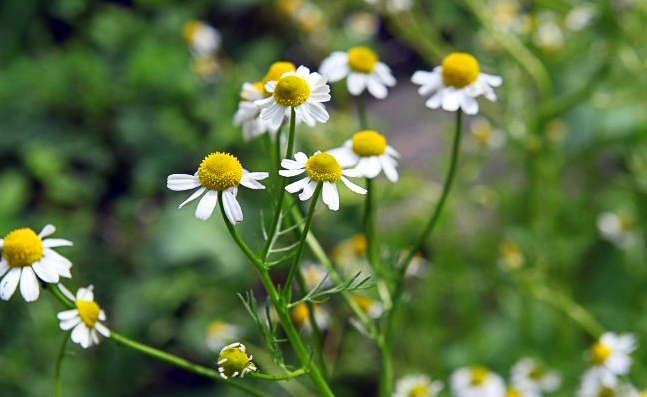
Its gentle floral aroma makes it a favorite choice for evening herbal tea blends. Many gardeners enjoy growing chamomile not only for its traditional uses but also for its beautiful daisy-like flowers.
Ways to use chamomile:
- Brew dried flowers into herbal tea.
- Add dried flowers to relaxing bath blends.
- Grow it in a garden or container for easy harvesting.
Lavender (Lavandula angustifolia)
Lavender is widely loved for its calming fragrance and beautiful purple flowers.
Its scent is often used in relaxing bedtime routines through:
- Lavender sachets.
- Pillow sprays.
- Bath blends.
- Aromatherapy.
Growing lavender also benefits the garden by attracting pollinators such as bees and adding year-round beauty.
Lemon Balm (Melissa officinalis)
Lemon balm is a member of the mint family with a refreshing citrus scent.
It is easy to grow and makes a wonderful addition to a home herb garden.
Ways to enjoy lemon balm:
- Fresh herbal tea.
- Dried herbal blends.
- Garden relaxation spaces.
Its bright aroma makes it a popular plant for creating a peaceful outdoor environment.
Mint (Mentha)
Mint is a fast-growing herb with a refreshing aroma.
Although often associated with energy and freshness, mint is also commonly enjoyed as an evening tea ingredient.
Because mint spreads quickly, growing it in containers is often the best option for home gardeners.
Passionflower (Passiflora incarnata)
Passionflower is a beautiful climbing plant that has traditionally been used in herbal wellness practices.
It can be enjoyed as:
- Herbal tea.
- Tincture preparations.
- Garden-grown ornamental plants.
Its unique flowers also make it an attractive addition to a relaxing garden space.
Hops (Humulus lupulus)
Hops are best known as an ingredient in brewing, but they have also been used traditionally in herbal preparations.
Gardeners can enjoy hops as an ornamental climbing plant with attractive flowers.
Some people create dried herbal sachets using hops for their comforting aroma.
How to Add Herbs to Your Evening Routine
The most effective herbal rituals are often simple and enjoyable.
Try adding herbs to your bedtime routine through:
Herbal Tea
Prepare a warm cup of herbal tea about 30 minutes before bedtime as part of a calming evening ritual.
Popular combinations include:
- Chamomile and lavender.
- Mint and lemon balm.
- Chamomile and lemon balm.
Relaxing Herbal Bath
A warm bath can help create a peaceful transition before sleep.
Add:
- Lavender.
- Herbal bath salts.
- Homemade herbal blends.
This creates a relaxing experience while allowing you to enjoy natural plant aromas.
Herbal Sachets
Dried herbs can be placed inside small fabric bags and kept near your sleeping area.
Popular choices include:
- Lavender.
- Hops.
- Chamomile.
They provide a gentle natural fragrance and are easy to make at home.
Grow Your Own Sleep Garden
Creating a small herbal garden can turn wellness into a daily connection with nature.
Consider planting:
- Lavender near sunny pathways.
- Chamomile in containers.
- Lemon balm near outdoor seating areas.
- Mint in pots to control spreading.
A garden filled with calming herbs can become a peaceful place for reflection and relaxation.
More Than Sleep: The Benefits of Herbal Gardening
Growing herbs provides benefits beyond their traditional uses.
A home herb garden can:
- Encourage time outdoors.
- Support mindful routines.
- Attract beneficial insects.
- Provide fresh ingredients for teas and cooking.
- Create a stronger connection with nature.
The simple act of caring for plants can become part of a healthier lifestyle.
Final Thoughts
There is no single solution for achieving better sleep, but creating healthy routines and connecting with nature can make evenings more peaceful.
Herbs such as chamomile, lavender, lemon balm, mint, and passionflower have been valued for generations as part of calming traditions.
By growing these plants and incorporating them into your daily rituals, you can create a more natural approach to relaxation while enjoying the beauty and benefits of an herbal garden.