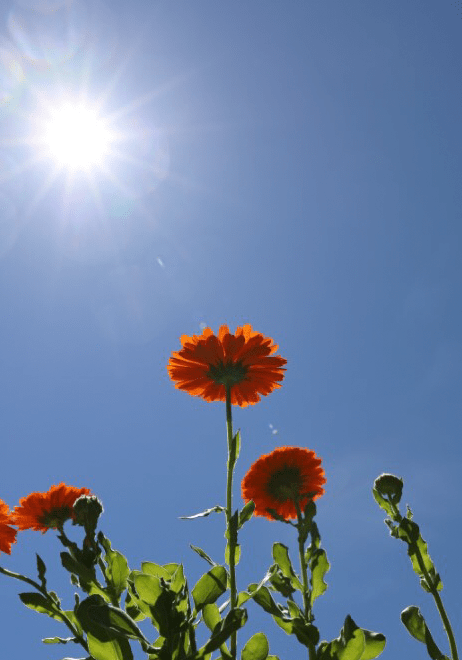

Gardening is one of the best ways to connect with nature, stay active, and enjoy the outdoors. However, spending hours outside also means increased exposure to sunlight, especially during the warmer months.
Many gardeners focus on protecting their plants from heat and drought but forget about protecting themselves. Sun safety is an important part of maintaining a healthy outdoor lifestyle, allowing you to continue gardening while reducing the risks associated with prolonged UV exposure.
Whether you are planting vegetables, maintaining flower beds, or harvesting fresh produce, a few simple habits can help keep your skin protected while you enjoy your garden.
Understanding UV Exposure and Your Skin
Sunlight contains ultraviolet (UV) radiation, which affects the skin in different ways.
There are two main types of UV rays:
UVB Rays
UVB rays mainly affect the outer layers of the skin and are responsible for sunburn.
UVA Rays
UVA rays penetrate deeper into the skin and contribute to premature aging and long-term skin damage.
Both types of UV exposure can affect skin health, which is why broad-spectrum protection is important when spending extended periods outdoors.
Some sunscreens protect against both UVA and UVB rays, but sun protection should not rely on sunscreen alone. Combining multiple protective methods provides better coverage.
Natural Ways to Protect Yourself While Gardening
One of the most effective approaches to sun safety is reducing direct exposure whenever possible.
Unlike sunscreen, physical barriers provide immediate protection by blocking sunlight before it reaches your skin.
Wear Protective Clothing
A gardener’s best sun protection tools are often simple:
- Wide-brimmed hats that protect the face, ears, neck, and scalp.
- Lightweight long-sleeved clothing.
- UV-protective sunglasses.
- UPF-rated gardening clothing for long outdoor sessions.
Comfort is important, especially during summer, so choose breathable fabrics that help keep you cool.
Choose the Right Time to Garden
The strongest sunlight usually occurs around midday.
Whenever possible, schedule gardening tasks during:
- Early morning.
- Late afternoon.
- Evening hours.
Gardening outside peak sunlight hours not only reduces UV exposure but also makes outdoor work more comfortable during hot weather.
Checking the daily UV index can help determine when additional protection is needed. A UV index of 3 or higher generally means extra precautions should be taken.
Create Shade-Friendly Gardening Spaces
A well-designed garden can help protect gardeners from excessive sun exposure.
Consider adding:
- Patio umbrellas.
- Shade sails.
- Pergolas.
- Covered seating areas.
- Trees and tall plants for natural shade.
Creating comfortable shaded areas allows you to enjoy your garden while taking regular breaks from direct sunlight.
Stay Hydrated While Gardening
Hot weather gardening can quickly lead to dehydration.
Remember to:
- Drink water regularly.
- Take breaks in shaded areas.
- Avoid overexertion during the hottest part of the day.
Staying hydrated supports overall wellbeing and helps you garden safely for longer periods.
Sunscreen and Additional Protection
For longer gardening sessions, sunscreen can provide an additional layer of protection.
Look for:
- Broad-spectrum sunscreen.
- SPF 30 or higher.
- Water-resistant formulas if sweating or working outdoors for extended periods.
Apply sunscreen to commonly missed areas, including:
- Neck.
- Ears.
- Hands.
- Face.
- Lips.
Lips have thinner skin and can burn easily, so a sunscreen lip balm can be useful during long outdoor activities.
Caring for Your Skin After Gardening
After spending time outside, your skin may need extra moisture and care.
Simple after-gardening skincare habits include:
- Washing away sweat and dirt.
- Drinking enough water.
- Applying a gentle moisturizer.
- Using soothing natural ingredients when needed.
Aloe vera is a popular natural option for calming skin after sun exposure. Calendula-based skincare products are also commonly used for gentle moisturizing and skin comfort.
Learning From Traditional Sun Protection Practices
Many cultures have developed effective ways to manage sun exposure throughout history.
Examples include:
- Traditional umbrellas used in parts of Asia.
- Wide-brimmed hats used in farming communities worldwide.
- Midday rest practices in Mediterranean regions.
These traditions share a common idea: adjust daily activities according to the sun rather than constantly working through the strongest heat.
Modern gardeners can apply the same principle by planning outdoor work around natural sunlight patterns.
Frequently Asked Questions About Sun Safety for Gardeners
How long is it safe to stay in the sun?
There is no single amount of time that is safe for everyone because factors such as skin type, location, season, and UV intensity all affect exposure.
Short periods of sunlight during lower UV times may be easier to manage, while longer exposure requires protective measures.
Is SPF 50 much better than SPF 30?
Higher SPF provides more UVB protection, but the difference is smaller than many people expect. The most important factors are applying sunscreen correctly and combining it with other protection methods.
What time of day is sunlight strongest?
In many locations, UV levels are highest between late morning and early afternoon. Checking the UV index is the best way to understand daily conditions.
What is the best sun protection for gardeners?
The most effective approach combines:
- Protective clothing.
- Shade.
- Smart gardening schedules.
- Sunscreen when needed.
- Regular hydration.
Final Thoughts
Gardening should be an enjoyable and healthy activity, but protecting yourself is just as important as caring for your plants.
By wearing suitable clothing, choosing the right gardening times, creating shaded areas, and practicing good skincare habits, you can continue enjoying your outdoor space while staying comfortable and protected.
A healthy gardener creates a healthier garden—and small daily habits can make gardening a safer, more enjoyable experience all year round.