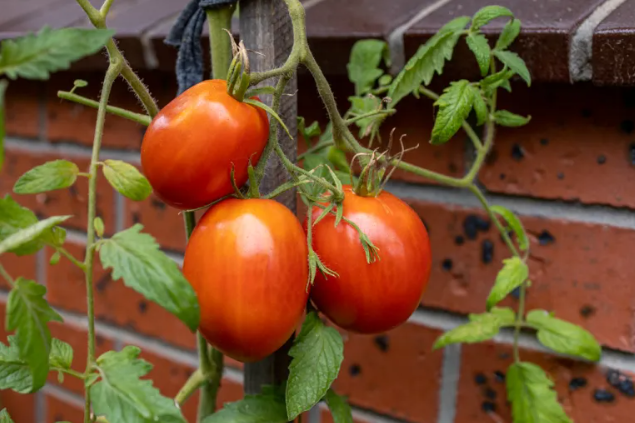

Saving tomato seeds is one of the easiest ways to create a more sustainable home garden. Instead of buying new seeds every growing season, you can collect, store, and replant seeds from tomatoes you have grown yourself.
Growing tomatoes from saved seeds allows you to preserve your favorite varieties, reduce gardening costs, and develop plants that are better adapted to your local growing conditions.
With the right cleaning and storage techniques, properly saved tomato seeds can remain viable for five years or even longer.
Whether you are a beginner gardener or an experienced grower, learning how to save tomato seeds is a simple skill that supports a more self-sufficient and eco-friendly lifestyle.
Why Save Your Own Tomato Seeds?
Saving seeds provides several benefits for home gardeners.
1. Preserve Your Favorite Tomato Varieties
Many gardeners have a favorite tomato variety because of its flavor, size, productivity, or growing performance.
By saving seeds from your best plants, you can continue growing those varieties year after year.
Over time, these plants may become better adapted to:
- Your local climate
- Your garden soil
- Your growing conditions
2. Reduce Gardening Costs
Buying seeds every season can become expensive, especially if you grow many vegetables.
Saving your own seeds allows you to create a renewable supply of planting material directly from your garden.
3. Support Sustainable Gardening
Seed saving is an important part of sustainable gardening because it reduces dependence on commercial seed production and encourages biodiversity.
It also helps gardeners become more connected with the natural process of growing food.
Which Tomatoes Are Best for Seed Saving?
Not all tomatoes are equally suitable for saving seeds.
The best tomatoes for seed collection are:
Heirloom Tomatoes
Heirloom varieties are traditional tomato varieties that have been preserved through generations.
They are usually:
- Open-pollinated
- Reliable for seed saving
- True-to-type when replanted
This means the new plants are more likely to produce tomatoes similar to the original plant.
Healthy and Productive Plants
Choose tomatoes from plants that performed well during the growing season.
Look for plants that are:
- Strong and healthy
- Disease-resistant
- Highly productive
- Producing flavorful fruit
It is best to save seeds from the earliest and best-quality tomatoes rather than leftover fruit at the end of the season.
Which Tomatoes Should You Avoid Saving Seeds From?
Avoid saving seeds from F1 hybrid tomatoes.
F1 hybrids are created by crossing two different parent varieties. While the original plant may have excellent characteristics, the seeds collected from it may not grow into plants with the same qualities.
The next generation may produce:
- Different fruit sizes
- Different flavors
- Lower productivity
- Unexpected characteristics
When purchasing tomato seeds or seedlings, check the label to see whether the variety is listed as an F1 hybrid.
For seed saving, choose open-pollinated or heirloom varieties instead.
How To Save Tomato Seeds Step by Step
Tomatoes are considered wet-seeded crops, meaning their seeds are surrounded by moist pulp inside the fruit.
Because of this, tomato seeds need to be cleaned properly before storage.
Step 1: Select a Mature Tomato
Choose a fully ripe tomato from your healthiest plant.
The fruit should be:
- Fully developed
- Free from disease
- Representative of the variety you want to save
Step 2: Cut the Tomato and Remove Seeds
Cut the tomato in half lengthwise.
Use a spoon or your fingers to remove the seeds and surrounding pulp.
Place the seeds into a small strainer.
Step 3: Rinse the Seeds
Place the strainer under running water.
Gently rub the seeds with your fingers while rinsing to remove the remaining tomato pulp.
Continue rinsing until the seeds appear clean.
Removing the pulp helps reduce the risk of mold and disease during storage.
Step 4: Dry the Seeds Properly
After cleaning, tomato seeds need to dry completely before storage.
Place the seeds in a warm location with good airflow.
Good drying locations include:
- A kitchen windowsill
- A dry indoor shelf
- A well-ventilated area
Avoid:
- Direct hot sunlight
- High temperatures
- Damp areas
Excess heat can damage the seeds and reduce their ability to germinate.
Step 5: Allow Seeds to Dry for Several Days
Leave the seeds to dry for several days until they feel completely hard and dry.
Spread them out in a thin layer to improve airflow.
Avoid drying seeds on:
- Paper towels
- Newspaper
- Cloth
Tomato seeds can stick strongly to these materials and become difficult to remove.
Better drying surfaces include:
- Glass plates
- Ceramic dishes
- Metal trays
- Mesh screens
How To Store Tomato Seeds
Once the seeds are completely dry, store them properly to protect their quality.
Good storage options include:
- Paper envelopes
- Small glass containers
- Seed storage boxes
Always label your seeds with:
- Tomato variety name
- Collection date
- Growing notes
For example:
Roma Tomato
Collected: September 2026
Best Use: Spring 2031
Best Conditions for Seed Storage
To maximize seed life, store tomato seeds in a place that is:
- Cool
- Dry
- Dark
Avoid storing seeds in areas with:
- High humidity
- Temperature changes
- Direct sunlight
A dry cupboard, storage box, or refrigerator container can work well.
Tips for Successful Tomato Seed Saving
Choose Multiple Plants
If possible, collect seeds from several strong plants instead of only one.
This helps maintain genetic diversity and stronger future crops.
Keep Gardening Records
Record:
- Variety name
- Harvest date
- Plant performance
- Flavor quality
This helps you identify the best varieties for your garden.
Share Seeds With Other Gardeners
Seed sharing is a wonderful way to support local gardening communities.
It encourages:
- Biodiversity
- Traditional varieties
- Sustainable food growing
Growing Tomatoes From Saved Seeds
When the next growing season arrives, your saved tomato seeds can be started indoors or planted directly depending on your climate.
Healthy tomato seedlings need:
- Plenty of sunlight
- Good-quality soil
- Regular watering
- Warm temperatures
With proper care, your saved seeds can grow into productive tomato plants for another season.
Final Thoughts
Saving tomato seeds is a simple gardening practice that connects us with the natural cycle of growing food.
By collecting seeds from healthy tomato plants, storing them correctly, and replanting them each year, you can create a more sustainable and rewarding home garden.
Seed saving is more than just a practical gardening skill — it is a way to preserve plant varieties, reduce waste, and become more self-sufficient.
Whether you have a large backyard garden or a few containers on a balcony, saving tomato seeds is an easy step toward a greener lifestyle.