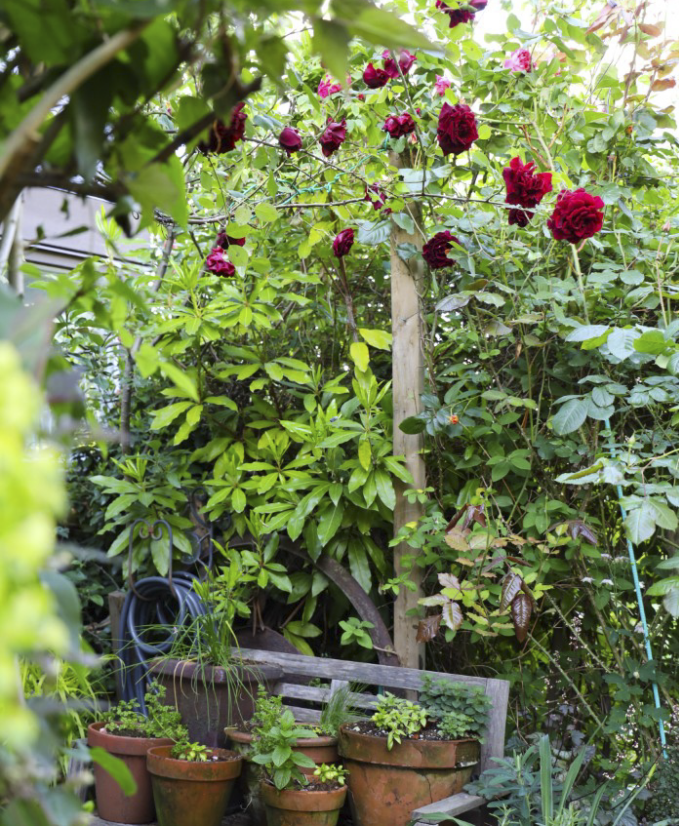

Grief can leave us feeling disconnected, overwhelmed, and uncertain about how to move forward. During difficult times, the simple act of caring for plants can offer comfort, stability, and a gentle reminder that life continues through every season.
Gardening has long been recognized as a powerful way to support emotional wellbeing. The quiet rhythm of planting, watering, and nurturing living things can create moments of peace while helping us process difficult emotions.
A garden does not remove grief, but it can provide a safe space to reflect, remember, and slowly reconnect with the world around us.
How Nature Helps Us Process Grief
Grief takes many different forms. It may come from losing a loved one, the end of a relationship, the loss of a pet, major life changes, or even the loss of a place or a future we imagined.
Everyone experiences grief differently. Some days may feel manageable, while others can bring unexpected waves of sadness.
Nature reminds us that change and loss are natural parts of life. Gardens move through cycles of growth, dormancy, renewal, and transformation. Plants lose leaves, return in spring, and continue their journey through changing seasons.
Spending time outdoors can help us slow down, become more present, and create space for emotions rather than avoiding them.
Gardening can support mental wellbeing by:
- Providing a calming daily routine.
- Encouraging mindfulness and reflection.
- Creating a sense of purpose through caring for living things.
- Helping us reconnect with nature.
Create a Healing Garden Ritual
One of the most meaningful ways to use gardening as a healing practice is by creating personal rituals.
A healing garden does not need to be large or elaborate. It can be:
- A dedicated garden bed.
- A favorite tree or plant.
- A collection of indoor plants.
- A quiet corner where you can sit and reflect.
Plants can become living reminders of memories, relationships, and meaningful moments.
Garden rituals may include:
- Planting a flower in memory of someone special.
- Caring for a plant during important anniversaries.
- Spending quiet time outdoors reflecting.
- Keeping a garden journal.
These simple practices can create a sense of connection and comfort over time.
Using Herbs for Comfort and Reflection
Many herbs have traditionally been associated with relaxation, remembrance, and emotional wellbeing.
Lavender
Lavender is widely appreciated for its calming scent. It can be used in:
- Herbal sachets.
- Aromatherapy.
- Garden spaces designed for relaxation.
Rosemary
Rosemary has long been connected with remembrance. Growing rosemary in a garden can create a meaningful space for honoring memories.
It can also be used in cooking, dried arrangements, or herbal crafts.
Lemon Balm
Lemon balm is known for its fresh citrus scent and is often grown in gardens focused on relaxation and wellbeing.
Roses
Roses have long symbolized love and remembrance. Planting roses can create a beautiful living tribute while adding color and fragrance to the garden.
Mugwort
Traditionally associated with dreams and reflection, mugwort is sometimes included in gardens designed around memory and personal rituals.
Green Memorial Ideas
Plants can provide a lasting way to honor someone or preserve meaningful memories.
A memorial garden can take many forms:
Plant a Memorial Tree
A tree can represent continued growth, strength, and connection through changing seasons.
Create a Memorial Garden Bed
A small garden area filled with meaningful flowers or herbs can become a peaceful place for reflection.
Grow a Memorial Houseplant
For those without outdoor space, an indoor plant can provide the same sense of connection and care.
Write Messages or Garden Journals
Writing memories, thoughts, or messages can become part of the healing process.
Some gardeners create biodegradable notes or seed projects that allow memories to become part of a growing landscape.
Gardening as a Form of Self-Care
During periods of grief, daily routines can become difficult. Gardening offers gentle activities that encourage movement, fresh air, and connection with nature.
Simple gardening activities can include:
- Watering plants.
- Planting seasonal flowers.
- Harvesting herbs.
- Walking through a garden.
- Sitting quietly outdoors.
The goal is not productivity—it is creating moments of peace and presence.
Finding Comfort Through Seasonal Change
Gardens naturally teach patience.
Winter reminds us that rest is part of growth. Spring shows renewal. Summer brings abundance, and autumn represents transition.
These seasonal cycles can provide comfort during times when life feels uncertain.
A garden allows us to witness that change does not always mean an ending. Sometimes it represents transformation and new beginnings.
Final Thoughts
Healing from grief takes time, and everyone’s journey looks different. While gardening cannot take away loss, it can offer a peaceful place to process emotions, remember loved ones, and reconnect with nature.
Through planting, caring, and observing the natural world, gardens can become spaces of reflection, comfort, and renewal.
A healing garden is more than a collection of plants—it is a living reminder that growth can continue even after difficult seasons.