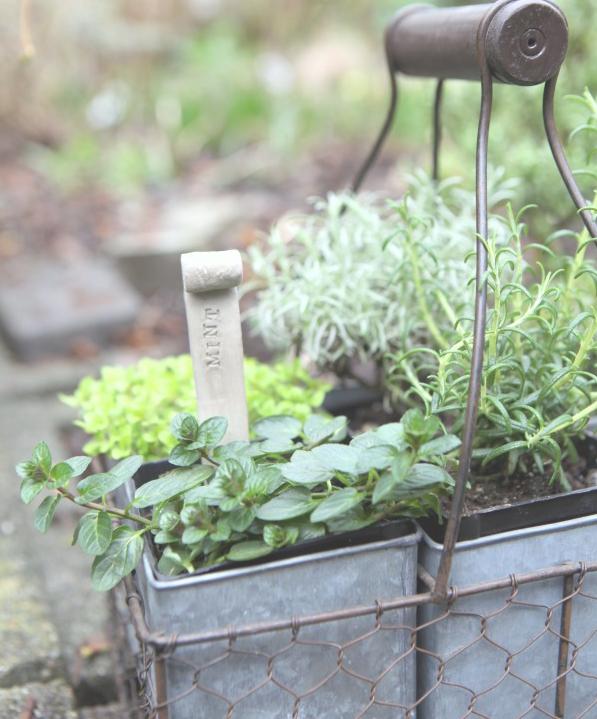

Growing herbs from seed is one of the most rewarding ways to start your own garden. Whether you have a large backyard, a small balcony, or simply a sunny windowsill, growing herbs allows you to enjoy fresh flavors while creating a more sustainable and self-sufficient lifestyle.
Many beginner gardeners start with ready-grown herb plants from nurseries, but growing herbs from seeds offers several advantages. Seeds are usually more affordable, provide a wider variety of plant choices, and allow you to experience the complete growing process from the very beginning.
With the increasing popularity of home gardening, organic growing, and sustainable living, creating a small kitchen herb garden has become an easy and practical way to grow fresh food at home.
This guide explains two simple methods for growing herbs from seed:
- Starting herbs in containers before transplanting.
- Directly sowing herb seeds into the garden.
Both methods can be successful—the best choice depends on your available space, climate, and gardening goals.
Why Grow Herbs From Seed?
Starting herbs from seeds has several benefits compared with buying established plants.
More Variety
Garden centers often carry only popular herb varieties, while seed catalogs offer many more options. Growing from seed allows you to explore unique flavors, unusual varieties, and plants that may not be commonly available locally.
Lower Cost
A single packet of herb seeds can produce many plants, making seed growing an economical choice for beginners and experienced gardeners alike.
Earlier Harvests
Starting seeds indoors or in containers allows you to begin growing before outdoor conditions are ideal. Young plants can be ready for transplanting once temperatures become suitable, helping extend the growing season.
Greater Growing Confidence
Watching a small seed develop into a healthy herb plant is a valuable gardening experience. It also helps beginners understand plant growth cycles and improve their gardening skills.
Method 1: Growing Herbs in Containers
Starting herbs in containers is often the easiest method for beginners. Containers provide better control over soil quality, moisture, temperature, and growing conditions.
This method is especially useful if you:
- Have limited garden space.
- Live in a colder climate.
- Want to start seeds indoors.
- Need a head start before the growing season.
Step 1: Choose Suitable Containers
Almost any small container can be used for starting herb seeds, including:
- Seed trays
- Small pots
- Recycled containers with drainage holes
- Small biodegradable pots
Good drainage is essential because excess water can cause seeds and young seedlings to rot.
Step 2: Prepare Quality Growing Medium
Use a lightweight seed-starting mix rather than heavy garden soil.
A good seed-starting mix provides:
- Proper drainage.
- Moisture retention.
- Good airflow around developing roots.
Avoid compacting the soil too firmly, as delicate seedlings need space to grow.
Step 3: Sow Herb Seeds
Follow the planting depth instructions on the seed packet. Some herb seeds require light to germinate and should only be lightly covered with soil.
After planting:
- Label containers with herb names.
- Keep the soil consistently moist.
- Place containers somewhere warm with suitable light.
Step 4: Provide Water and Light
Young seedlings require careful watering. The soil should remain slightly moist but never waterlogged.
A sunny windowsill can work well for many herbs, although indoor grow lights may help when natural light is limited.
Common herbs suitable for container starting include:
- Basil
- Parsley
- Coriander
- Dill
- Oregano
- Thyme
Step 5: Transplant Young Plants
Once seedlings develop several sets of true leaves and outdoor conditions are suitable, they can be moved into larger containers or garden beds.
Before transplanting, gradually expose seedlings to outdoor conditions over several days. This process, called hardening off, helps plants adjust and reduces transplant stress.
Method 2: Direct Sowing Herbs Outdoors
Direct sowing means planting herb seeds directly into their final growing location.
This method works particularly well for herbs that do not like being transplanted or for gardeners who prefer a simpler approach.
How to Direct Sow Herb Seeds
- Choose a sunny location with well-draining soil.
- Remove weeds and loosen the soil surface.
- Follow the seed packet instructions for spacing and planting depth.
- Water gently after sowing.
- Keep the soil moist until seedlings appear.
Once plants begin growing, thin crowded seedlings so each plant has enough space for healthy development.
Advantages of Direct Sowing
Direct sowing:
- Reduces transplant stress.
- Requires fewer steps.
- Allows plants to establish naturally.
- Works well for larger garden areas.
Many herbs, including dill, coriander, and parsley, can perform well when directly planted outdoors.
Growing Herbs Indoors
One of the easiest ways to enjoy fresh herbs year-round is by growing them indoors.
An indoor herb garden is ideal for:
- Apartment living.
- Small spaces.
- Winter growing.
- Easy access while cooking.
Tips for Indoor Herb Growing
Choose the Right Location
Most herbs need several hours of sunlight each day. A bright south-facing window is often ideal.
Use Proper Containers
Choose pots with drainage holes to prevent root problems.
Avoid Overwatering
Indoor herbs often grow slower than outdoor plants, meaning they require less water.
Provide Good Airflow
Adequate airflow helps prevent fungal problems and keeps plants healthier.
Beginner-Friendly Herbs to Grow From Seed
Some herbs are especially suitable for beginners because they grow quickly and require minimal care.
Basil
Basil is one of the easiest herbs to grow and is perfect for beginners. It grows quickly in warm conditions and provides fresh leaves throughout the growing season.
Parsley
Parsley takes longer to germinate but is very productive once established. It grows well in containers and garden beds.
Dill
Dill grows quickly from seed and attracts beneficial insects such as pollinators.
Coriander (Cilantro)
Coriander is easy to grow but prefers cooler temperatures. Succession planting every few weeks can provide a continuous harvest.
Oregano and Thyme
These Mediterranean herbs prefer sunny locations and well-drained soil. They are excellent choices for low-maintenance gardens.
Common Problems When Growing Herbs From Seed
Seeds Are Not Germinating
Possible causes include:
- Soil temperature being too cold.
- Planting seeds too deeply.
- Old or poor-quality seeds.
- Incorrect moisture levels.
Check seed instructions carefully and maintain suitable growing conditions.
Seedlings Become Weak and Tall
This usually happens when plants do not receive enough light.
Move seedlings to a brighter location or use a grow light if necessary.
Plants Die After Transplanting
Young plants may struggle if moved outdoors too quickly.
Allow seedlings to adjust gradually through hardening off before transplanting.
Frequently Asked Questions
How long does it take herbs to grow from seed?
Growth time varies depending on the herb. Some herbs germinate within a week, while others may take several weeks before showing strong growth.
Can herbs grow indoors all year?
Yes. Many herbs can grow successfully indoors if they receive enough light, suitable containers, and proper care.
Is growing herbs from seed cheaper than buying plants?
Generally, yes. A single seed packet can produce many plants, making it a cost-effective way to create a home herb garden.
What is the easiest herb to grow from seed?
Basil, dill, and coriander are among the easiest herbs for beginners because they germinate quickly and require relatively simple care.
Final Thoughts
Growing herbs from seed is a simple and rewarding way to begin gardening. Whether you choose containers or direct sowing, the process allows you to enjoy fresh herbs while developing valuable gardening skills.
A small herb garden can provide more than just ingredients for cooking—it creates a stronger connection with nature and supports a more sustainable lifestyle.
With a little patience, regular care, and the right growing conditions, anyone can successfully grow fresh herbs at home.