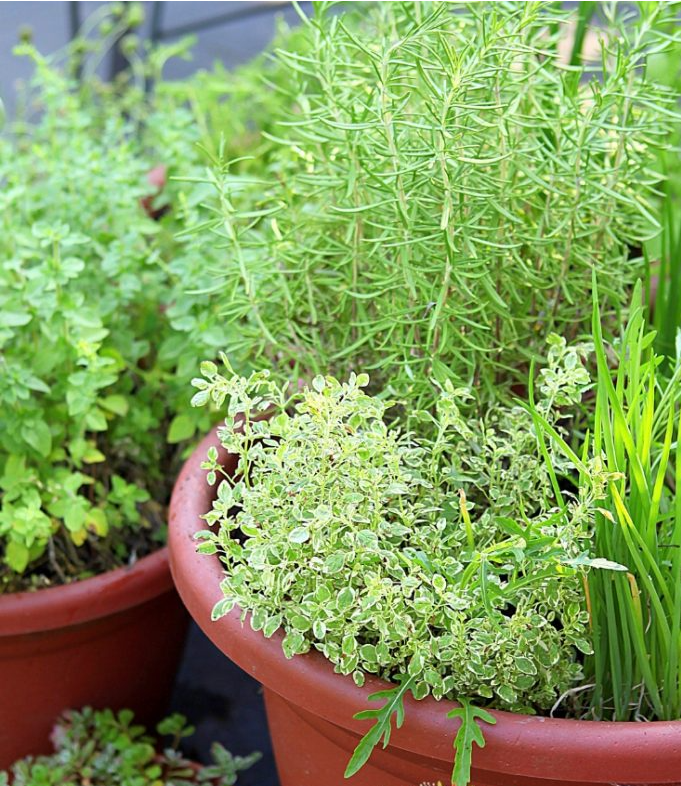

Love fresh herbs? A perennial herb container garden is one of the easiest ways to create a productive garden space, even if you only have a balcony, patio, or small outdoor area.
Unlike annual herbs that need to be replanted every year, perennial herbs return season after season, providing fresh flavors for cooking, natural remedies, and pollinator-friendly flowers.
For years, many gardeners have grown herbs in containers close to the kitchen for convenience. A well-planned container herb garden can produce fresh harvests throughout much of the year, from winter rosemary and sage to spring chives and autumn saffron crocuses.
There is something incredibly satisfying about stepping outside and collecting fresh herbs whenever you need them. With the right containers, soil, and plant choices, anyone can create a productive perennial herb garden at home.
Why Grow Perennial Herbs in Containers?
Growing herbs in containers offers several advantages:
- Perfect for small spaces: Ideal for balconies, patios, and urban gardens.
- Easy access: Keeping herbs near the kitchen encourages regular harvesting.
- Better control: Containers allow you to manage soil quality, moisture, and growing conditions.
- Prevents spreading: Aggressive herbs such as mint and lemon balm can be contained.
- Long-term productivity: Perennial herbs return year after year with proper care.
A combination of perennial herbs and a few annual varieties such as basil, parsley, and cilantro can provide everything needed for a practical kitchen herb garden.
Planning Your Container Herb Garden
Before planting, consider:
- Which herbs you use most often.
- How much sunlight your growing area receives.
- Which herbs prefer similar growing conditions.
- How much space each plant needs.
A successful container herb garden is not just about choosing plants you like—it is about matching each herb with the right environment.
Mediterranean herbs such as rosemary, thyme, oregano, and sage prefer sunny, dry conditions, while herbs like mint and lemon balm tolerate more moisture.
Choosing the Right Container
When growing perennial herbs, bigger containers are usually better.
A container around 16-20 inches (40-50 cm) in diameter provides enough space for roots to develop and allows plants to grow larger while you continue harvesting.
For overwintering perennial herbs, plastic containers are often a practical choice because they provide better protection from temperature changes compared with thin terracotta pots.
Decorative pots can still be used to improve the appearance of your garden, but the growing container should prioritize plant health.
Container Tips:
- Always choose pots with drainage holes.
- Avoid containers that are too small for long-term growth.
- Group herbs with similar water and sunlight requirements together.
- Consider moving containers during extreme weather.
Use High-Quality Soil
Healthy soil is the foundation of a successful herb container garden.
Use a quality potting mix that provides:
- Good drainage.
- Moisture retention.
- Proper airflow around roots.
- Nutrients for long-term growth.
Each year, refresh the soil by adding compost or organic matter. After several years, replace older soil completely to maintain healthy growing conditions.
Regular feeding during the growing season can also encourage stronger growth and better harvests.
Choosing the Best Location
The ideal location for a container herb garden is somewhere convenient—especially close to your kitchen.
A garden that is easy to access is more likely to be harvested regularly, which encourages healthy plant growth.
Most culinary herbs prefer plenty of sunlight, but requirements vary:
Sunny and Dry Conditions
Great for:
- Rosemary
- Thyme
- Sage
- Oregano
- Lavender
Moisture-Tolerant Herbs
Better suited for separate containers:
- Mint
- Lemon balm
- Chives
Always consider your location before choosing your plants.
Best Perennial Herbs to Grow in Containers
There are many perennial herbs suitable for container gardening. Here are some reliable favorites.
Mint, Lemon Balm, and Oregano
These herbs are productive and useful but can spread aggressively in garden beds.
Growing them in containers keeps them under control while providing plenty of leaves for:
- Tea
- Cooking
- Desserts
- Drinks
Large containers work best because these plants grow quickly.
Rosemary
Rosemary is one of the most popular culinary herbs.
It prefers:
- Full sun.
- Well-drained soil.
- Drier conditions.
In mild climates, rosemary can survive outdoors year-round. In colder regions, containers can be moved indoors during winter.
Egyptian Walking Onions
Egyptian walking onions are unusual perennial plants with a mild garlic flavor.
They produce small bulbs at the top of the plant. As the stems become heavy, they bend toward the ground and create new plants—giving them their “walking” name.
Chives
Chives are one of the easiest perennial herbs to grow.
They produce attractive purple flowers and provide a mild onion flavor for:
- Soups
- Salads
- Dressings
- Herb butter
Their flowers are also valuable for attracting pollinators.
French Tarragon
French tarragon has a sweet, anise-like flavor and is excellent with chicken, sauces, and vinegar recipes.
When choosing plants, look for true French tarragon, as some seed-grown varieties do not provide the same flavor quality.
Salad Burnet
Salad burnet is a unique herb with a refreshing cucumber-like flavor.
Its leaves work well in:
- Salads
- Dressings
- Herbal drinks
It is a great choice for gardeners looking for something different.
Thyme
Thyme is a reliable culinary herb that thrives in sunny containers.
Popular varieties include:
- Lemon thyme
- Woolly thyme
- Creeping thyme
Some creeping varieties are also useful as decorative ground covers between garden paths.
Arugula
Wild arugula is a hardy leafy herb with a strong peppery flavor.
When grown in a deep container, it can produce abundant leaves for salads and sandwiches.
Chamomile
Chamomile is valued for both beauty and usefulness.
The flowers can be dried for:
- Herbal tea.
- Natural skincare products.
- Relaxing bath blends.
Saffron Crocus
Saffron comes from the bright orange stigmas of saffron crocus flowers.
Each flower produces only a small amount, which explains why saffron is one of the most expensive spices in the world.
Growing it at home may not provide large quantities, but harvesting your own saffron can be a rewarding gardening experience.
Bay and Lavender
Bay laurel provides aromatic leaves commonly used in soups and stews.
Lavender is another excellent perennial herb with many uses, including:
- Herbal crafts.
- Natural home products.
- Fragrant garden designs.
Both add beauty as well as practical value to a container garden.
Combining Herbs in Containers
Some herbs grow well together because they prefer similar conditions.
Good combinations include Mediterranean herbs such as:
- Rosemary
- Thyme
- Sage
- Oregano
- Marjoram
- Lavender
Avoid combining plants with very different needs.
For example:
- Mint and lemon balm are best grown separately because they spread aggressively.
- Fennel can negatively affect nearby plants and is usually grown alone.
- Sage prefers not to share containers with some moisture-loving herbs.
Frequently Asked Questions
What herbs are perennial?
Popular perennial herbs include:
- Mint
- Lemon balm
- Oregano
- Rosemary
- Chives
- Tarragon
- Thyme
- Sage
- Marjoram
- Lavender
- Bay
However, survival depends on your climate and winter conditions.
How deep should herb containers be?
Small individual herb pots can work for young plants, but long-term perennial herbs perform better in containers at least:
- 16-20 inches wide.
- 14-18 inches deep.
Larger containers provide better root development and moisture stability.
Can perennial herbs survive winter in containers?
Some can, depending on climate and plant variety.
Cold-sensitive herbs such as rosemary may need protection or indoor storage during freezing weather, while hardy herbs like chives and thyme often tolerate colder conditions.
Final Thoughts
A perennial herb container garden is one of the most rewarding ways to grow your own food at home.
With the right containers, healthy soil, and carefully selected plants, you can create a productive garden that provides fresh herbs year after year.
Whether you have a large backyard or a small balcony, growing perennial herbs brings convenience, beauty, and sustainability together—helping you create a greener and more self-sufficient lifestyle.