
Contributed Posts
This post is part-contributed and may contain affiliate links.
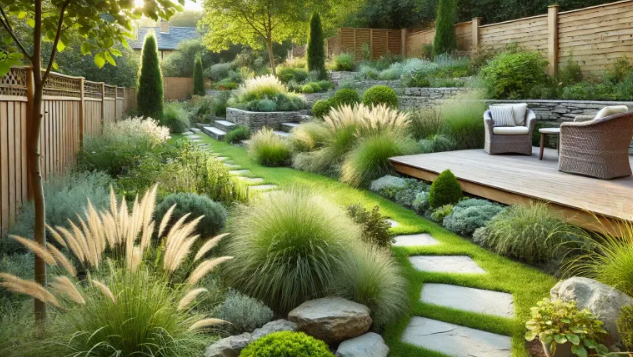
A garden’s natural beauty often comes from its soft landscaping—the living elements that bring a space to life, including trees, plants, flowers, and greenery. These organic features create a vibrant and ever-changing outdoor environment. However, combining these natural elements with carefully planned hard landscaping can elevate your garden design, adding structure, functionality, and long-term value without taking away from its natural charm.
In recent years, garden design trends have increasingly focused on creating outdoor spaces that are both beautiful and practical. Homeowners are looking for low-maintenance landscapes, sustainable materials, and versatile outdoor areas that can be enjoyed throughout the year. Features such as paving, decking, and retaining walls have become popular solutions for creating functional garden spaces while supporting modern approaches to eco-friendly and climate-conscious landscaping.
For those unfamiliar with the term, hard landscaping refers to the non-living elements of a garden, including pathways, patios, decking areas, retaining walls, and other structural features. When thoughtfully incorporated into a natural garden design, these elements complement soft landscaping by adding definition, improving accessibility, managing drainage, reducing maintenance requirements, and making better use of available space.
Hard landscaping can help create clear walkways, comfortable outdoor living areas, raised planting zones, and attractive focal points. By balancing these practical features with plants and greenery, homeowners can achieve a harmonious outdoor space that combines visual appeal with everyday functionality.
With that in mind, here are some practical and stylish landscaping features to consider for your garden.
1. Paving: Creating Functional and Attractive Surfaces
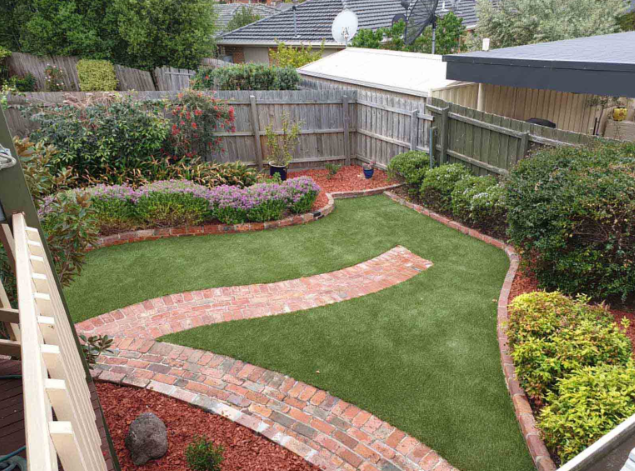
Paving, also known as paving stones or pavers, refers to flat pieces of material—usually square or rectangular—that are used to create durable outdoor surfaces. Common applications include garden pathways, patios, driveways, entertaining areas, and other hardscape features.
Available in a wide range of materials, including natural stone, brick, porcelain, and concrete, paving allows homeowners to customize their garden according to their preferred style, budget, and maintenance needs. Modern landscaping trends increasingly favor sustainable and permeable paving solutions that allow rainwater to naturally filter back into the ground, helping to reduce surface runoff and support healthier garden environments.
As a design feature, paving can help define different areas within a garden. A well-designed pathway can connect different zones, guiding visitors between vegetable gardens, flower beds, herb gardens, seating areas, and outdoor entertainment spaces.
The Uses of Paving in the Garden
The benefits of using paving in your garden include:
Improved Function
A paved patio provides a stable and practical surface for outdoor furniture, making it an ideal location for dining, entertaining guests, or relaxing outdoors.
Well-designed paved pathways also help manage movement through the garden by protecting lawns and planting areas from excessive foot traffic. They create clean, accessible routes that remain practical throughout changing weather conditions, reducing muddy areas after rainfall and minimizing dirt being carried indoors.
Low Maintenance
Compared with traditional lawns that require regular mowing, watering, and seasonal maintenance, paved areas generally require far less upkeep. A simple sweep or occasional cleaning is often enough to keep paved surfaces looking attractive.
Installing paved pathways can also reduce the amount of lawn that needs ongoing care. By replacing sections of high-maintenance grass with durable surfaces, homeowners can spend less time maintaining their garden and more time enjoying their outdoor space.
For example, paving can be used to create access routes across lawn areas, reducing mowing requirements while improving overall garden usability.
Paved surfaces can also support more sustainable garden design. Unlike fully concreted areas, many paving systems allow water to pass between joints or through permeable materials, helping rainwater return naturally to the soil instead of immediately flowing into drainage systems.
Visual Appeal
Beyond practicality, paving can significantly enhance the appearance and character of a garden. With countless options in colors, textures, patterns, and materials, paving can be selected to complement both the home’s architecture and the surrounding landscape.
For example, a natural stone pathway surrounded by wildflowers can create a relaxed, rustic atmosphere, while sleek porcelain or contemporary concrete pavers can provide a modern and minimalist look suitable for outdoor dining spaces.
Popular Paving Materials
Choosing the right paving material helps create a garden style that matches your vision.
Natural Stone
Materials such as sandstone, limestone, and slate offer timeless appeal. Their natural variations in color and texture create unique surfaces that develop character as they age.
Brick
Brick paving is ideal for traditional or cottage-style gardens. Its warm tones create a welcoming atmosphere, especially when combined with plants such as creeping thyme or moss growing between the joints.
Modern Materials
For contemporary gardens, concrete and porcelain paving provide clean lines and sophisticated finishes. These materials are available in a wide variety of designs, allowing homeowners to achieve a modern outdoor aesthetic with minimal maintenance.
Why You Might Need Paving
Consider adding paving if you want to:
- Reduce Lawn Maintenance: Create attractive outdoor areas that require less ongoing care than grass.
- Increase Usable Space: Add patios, pathways, or entertainment areas for everyday enjoyment.
- Improve Accessibility: Provide stable and practical routes throughout your garden.
- Support Sustainable Landscaping: Choose permeable paving options that help manage rainwater naturally.
2.Decking: Extending Your Living Space Outdoors
Most people are familiar with decking—an elevated, flat outdoor platform typically constructed from timber or composite boards and commonly positioned near the rear entrance of a home.
However, modern decking has evolved far beyond a simple outdoor platform. Today, it is considered an extension of the home, creating a seamless connection between indoor living areas and the natural environment. As outdoor living continues to grow in popularity, homeowners are increasingly designing decks as multifunctional spaces for dining, relaxation, entertaining, gardening, and year-round enjoyment.
When built at a similar level to the home’s interior, decking can create a smooth transition between indoor and outdoor spaces, making the garden feel like a natural continuation of the living area. Whether used for hosting summer gatherings, enjoying morning coffee, practicing yoga, or simply relaxing surrounded by nature, a well-designed deck can greatly enhance the way a garden is used.
Modern garden trends also place greater emphasis on sustainable and low-maintenance materials. Composite decking, made from recycled materials and designed to resist weathering, has become an increasingly popular alternative to traditional timber. It provides the natural appearance of wood while requiring less maintenance, making it a practical choice for homeowners seeking a balance between style and sustainability.
The Advantages of an Outdoor Deck
The benefits of installing decking include:
Usable Space Over Uneven Terrain
One of the biggest advantages of decking is its ability to transform uneven or sloped areas into practical outdoor living spaces.
Unlike traditional patios, which often require extensive excavation and ground preparation, decking can be constructed above existing terrain with a supporting framework. This makes it an effective solution for gardens with slopes, challenging layouts, or areas where leveling the ground would be costly or disruptive.
By making use of previously difficult spaces, decking allows homeowners to maximize the available area of their garden while creating a comfortable and functional outdoor environment.
Elevated Views and Improved Garden Experience
Because decking is raised above ground level, it can provide improved views of the surrounding landscape. In gardens with attractive scenery, elevated decking creates the perfect position for enjoying the outdoors while maintaining a strong connection with nature.
Raised decks can also help create a sense of separation between different garden zones, allowing homeowners to establish dedicated areas for dining, relaxation, entertaining, or planting.
Increased Versatility
Decking offers exceptional flexibility and can be customized to suit a wide range of lifestyles and garden designs.
A deck can become an outdoor dining area, a peaceful reading space, a family gathering zone, or an entertainment area equipped with comfortable seating and lighting. Additional features such as built-in benches, integrated planters, privacy screens, pergolas, and climbing plants can further enhance both functionality and appearance.
For homeowners interested in creating a greener outdoor space, decking can also be combined with container gardening, vertical planting systems, or decorative greenery to create a natural and inviting atmosphere.
Because decks are elevated, they also tend to dry faster after rainfall compared with lawns or ground-level surfaces, making them a practical choice for gardens that experience wet conditions.
Aesthetic Appeal
Wooden decking adds warmth, texture, and natural character to an outdoor space. The grain and tones of timber blend beautifully with plants, trees, and other garden elements, creating a balanced connection between built structures and nature.
For a more contemporary style, composite decking offers a wide range of colors and finishes, allowing homeowners to achieve a modern appearance while reducing long-term maintenance.
Whether the goal is a traditional garden retreat, a minimalist outdoor space, or a modern entertainment area, decking can be adapted to complement different architectural styles and landscaping themes.
Popular Decking Materials
Choosing the right decking material depends on the desired appearance, maintenance requirements, and environmental considerations.
Natural Timber Decking
Traditional timber decking remains popular because of its authentic appearance and natural warmth. Woods such as hardwood and treated softwood provide a classic outdoor look, although they typically require regular maintenance, including cleaning, sealing, and protection from weather damage.
Composite Decking
Composite decking has become increasingly popular due to its durability and lower maintenance requirements. Made from a combination of recycled wood fibers and synthetic materials, it is designed to resist moisture, fading, cracking, and insect damage.
For homeowners looking for a long-lasting outdoor solution with fewer maintenance demands, composite decking offers a practical and environmentally conscious option.
Sustainable Decking Options
As sustainable landscaping becomes more important, many homeowners are choosing decking materials produced from recycled or responsibly sourced materials. These options help reduce environmental impact while still providing attractive and functional outdoor spaces.
Why You Might Need Decking
Consider adding decking if you want to:
- Maximize Outdoor Living: Create a comfortable area for dining, relaxation, and entertainment.
- Make Use of Uneven Terrain: Turn difficult garden areas into practical outdoor spaces.
- Create a Seamless Indoor-Outdoor Connection: Extend your living space into the garden.
- Increase Property Appeal: A well-designed deck can enhance the attractiveness and usability of your home.
- Reduce Garden Maintenance: Choose modern decking materials that require less upkeep than traditional outdoor surfaces.
3. Retaining Walls: Transforming Sloped Areas
Retaining walls are structures designed to hold back soil, prevent erosion, and manage water movement on sloped or uneven terrain. In garden design, they are not only practical solutions for challenging landscapes but can also become attractive architectural features that add structure, depth, and character to outdoor spaces.
As modern landscaping continues to focus on making gardens more functional, sustainable, and resilient, retaining walls have become increasingly valuable. They allow homeowners to transform difficult slopes into usable areas while improving drainage, protecting plants, and creating opportunities for creative planting designs.
A well-designed retaining wall can help introduce different levels within a garden, making it possible to create features such as terraced planting areas, raised vegetable beds, outdoor seating zones, pathways, and decorative focal points. Instead of viewing sloped land as a limitation, retaining walls can turn uneven terrain into a unique and visually interesting garden feature.
Constructed from materials such as natural stone, brick, timber, concrete, or gabions (wire cages filled with rocks), retaining walls can be designed to complement the overall style of the garden. Whether the goal is a rustic countryside landscape, a contemporary outdoor space, or a low-maintenance garden, the right retaining wall design can provide both beauty and practical benefits.
The Design Benefits of Retaining Walls
When thoughtfully incorporated into a garden, retaining walls can:
Provide Dramatic Planting Opportunities
One of the greatest advantages of retaining walls is the opportunity they create for layered planting designs.
By introducing different heights and levels, retaining walls allow gardeners to display a wider variety of plants while creating a fuller and more dynamic landscape. Plants can cascade over wall edges, grow in raised beds, or be arranged according to different environmental conditions.
For example, sun-loving plants can be positioned on higher terraces, while shade-tolerant varieties can thrive in lower areas. This approach maximizes available space while creating a garden that changes naturally throughout the seasons.
Raised planting areas created by retaining walls can also make gardening more accessible by reducing the need for excessive bending and improving soil management.
Add Structure and Definition
Gardens often contain a mixture of organic shapes from plants and more structured elements from pathways, patios, and walls. Retaining walls help bring balance by clearly defining different areas of the landscape.
They can separate functional zones such as:
- Vegetable gardens and flower beds
- Seating areas and entertainment spaces
- Lawn areas and pathways
- Decorative planting sections
By creating distinct garden zones, retaining walls help make outdoor spaces feel more organized and intentional while improving overall visual flow.
Create Height and Depth
Flat gardens can sometimes appear visually limited, but retaining walls introduce elevation changes that add depth and interest.
Raised sections naturally draw attention upward, creating stronger focal points and making the garden feel larger and more layered. In sloped landscapes, retaining walls can transform steep and difficult areas into a series of attractive terraces that encourage exploration.
This multi-level approach is becoming increasingly popular in modern garden design because it allows homeowners to make better use of smaller outdoor spaces while creating a more immersive garden experience.
The Uses of Retaining Walls in Gardens
There are several reasons for adding retaining walls to a garden, including:
Structural Support
Retaining walls provide essential support for soil on sloped land, helping to prevent movement, erosion, and potential damage caused by heavy rainfall or water runoff.
With changing weather patterns and more frequent periods of intense rainfall in many regions, effective soil management and drainage have become increasingly important parts of sustainable garden planning.
Increased Usable Space
A steep garden area may be difficult to use, but retaining walls can transform it into a series of flat, practical spaces.
Terraced gardens can provide room for:
- Outdoor seating areas
- Vegetable and herb gardens
- Children’s play areas
- Decorative planting zones
This allows homeowners to make the most of their entire property rather than leaving sloped sections unused.
Enhanced Drainage
Retaining walls can improve drainage when properly designed with appropriate drainage systems behind the structure.
Raised garden beds created by retaining walls often provide better soil conditions for plants by reducing water accumulation and improving root health. This makes them especially useful for gardens where drainage has previously been a challenge.
Visual Appeal
Beyond their practical purpose, retaining walls can serve as beautiful design features.
Materials such as natural stone, timber, and decorative blocks introduce texture and contrast, creating attractive backgrounds for plants and garden features. A carefully designed retaining wall can become a focal point rather than simply a structural necessity.
Popular Retaining Wall Materials
Selecting the right material helps ensure that the retaining wall matches the style and character of the garden.
Natural Stone Walls
Natural stone remains a popular choice for traditional and rustic gardens. Stone walls can be dry-stacked or professionally constructed with mortar, offering durability, natural beauty, and a timeless appearance.
Over time, natural stone develops additional character as it blends with surrounding plants and landscaping.
Rendered Walls
For modern gardens, rendered walls provide a clean and minimalist appearance. They can create smooth architectural lines and act as a simple backdrop that allows plants and garden features to stand out.
Timber Sleepers
Timber retaining walls offer warmth and a natural aesthetic, making them particularly suitable for informal, country-style, and eco-inspired gardens.
When responsibly sourced and properly treated, timber can provide an attractive and practical solution for smaller retaining structures.
Gabion Walls
Gabion walls, made from wire cages filled with stones, have become increasingly popular in contemporary landscaping. They provide a distinctive textured appearance while offering strong structural support and good drainage.
Why You Might Need Retaining Walls
Consider adding retaining walls if you want to:
- Manage Sloped Land: Create practical and accessible garden areas on uneven terrain.
- Prevent Soil Erosion: Protect plants, soil, and property from movement caused by water and gravity.
- Improve Drainage: Create healthier growing conditions and better water management.
- Add Visual Interest: Introduce layers, texture, and architectural features to your garden.
- Create More Growing Space: Expand planting opportunities through terraced and raised garden areas.
Conclusion
Incorporating practical landscaping features such as paving, decking, and retaining walls can transform an ordinary garden into a balanced outdoor environment that combines beauty, comfort, and functionality.
While soft landscaping provides the natural character of a garden through plants, trees, and greenery, hard landscaping creates the structure needed to make outdoor spaces easier to use and maintain. When carefully planned, these elements work together to improve accessibility, increase usable space, support sustainable water management, and enhance the overall design of the landscape.
As garden trends continue to evolve, homeowners are increasingly looking for outdoor spaces that are not only visually appealing but also practical, environmentally responsible, and adaptable to changing needs. Features such as permeable paving, sustainable decking materials, and well-designed retaining walls can help create gardens that remain attractive and functional for years to come.
Whether you are creating a relaxing outdoor retreat, improving a challenging landscape, or simply making your garden easier to enjoy, thoughtful hard landscaping can provide the perfect foundation for a beautiful and sustainable outdoor space.