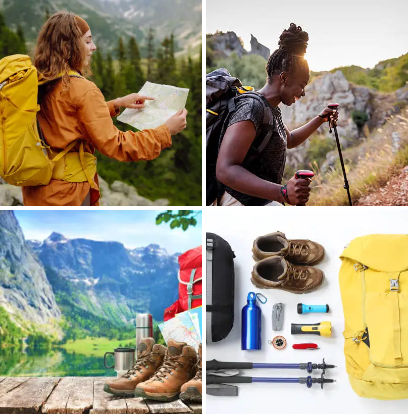

Hiking is one of the easiest ways to reconnect with nature, improve your fitness, and enjoy time away from the busy pace of everyday life. Unlike many forms of exercise, hiking does not require expensive equipment, a gym membership, or advanced athletic skills. With the right preparation, almost anyone can enjoy the benefits of exploring outdoor trails.
Whether you want to take a peaceful walk through a forest, explore mountain landscapes, or simply spend more time outside, hiking is a rewarding activity that supports both physical and mental wellbeing.
For beginners, getting started may seem overwhelming. Questions about equipment, safety, fitness levels, and trail choices are common. This guide will help you understand the basics and prepare for your first hiking experience with confidence.
1. Why Hiking Is Good for Your Health
Hiking is more than just a way to explore nature. It is a full-body activity that supports a healthier lifestyle.
Physical Benefits of Hiking
Walking on natural trails often involves different surfaces, slopes, and terrain, which can engage more muscles than regular walking.
Regular hiking can help:
- Improve cardiovascular fitness
- Strengthen legs and core muscles
- Support healthy weight management
- Improve balance and coordination
- Increase daily energy levels
Even beginner-friendly trails can provide meaningful exercise while allowing you to enjoy beautiful outdoor surroundings.
Mental Health Benefits of Hiking
One of the biggest reasons people love hiking is the positive effect it has on mental wellbeing.
Spending time outdoors can help:
- Reduce stress
- Improve mood
- Encourage relaxation
- Create a sense of accomplishment
Reaching the end of a trail or discovering a beautiful viewpoint can provide a feeling of achievement that improves confidence and motivation.
2. Choosing the Right Trail as a Beginner
One of the most important steps for new hikers is selecting an appropriate trail.
Many beginners make the mistake of choosing a trail based only on beautiful photos without considering distance, elevation, and difficulty.
When selecting your first hike, consider:
Trail Distance
Start with shorter hikes.
Good beginner options:
- 1–3 miles for a first adventure
- 3–5 miles after gaining experience
The goal is to enjoy the experience, not to push beyond your limits.
Elevation Gain
A trail’s difficulty depends not only on distance but also on climbing.
A short trail with steep elevation changes can be much harder than a longer flat trail.
For beginners, look for:
- Low elevation gain
- Clearly marked paths
- Well-maintained trails
Trail Conditions
Before heading out, check:
- Weather conditions
- Trail closures
- Recent reviews
- Seasonal challenges
Different seasons can completely change a hiking experience.
3. Essential Hiking Gear for Beginners
You do not need to buy everything before your first hike. Start with basic items and upgrade as you gain experience.
Comfortable Hiking Shoes
Your footwear is one of the most important pieces of hiking equipment.
Good hiking shoes should provide:
- Comfort
- Support
- Good traction
- Protection from uneven surfaces
For beginners, comfortable walking shoes may work for easy trails, but hiking shoes become valuable as trails become longer or more challenging.
Water Bottle or Hydration System
Staying hydrated is essential.
Bring enough water based on:
- Trail length
- Weather conditions
- Physical activity level
A reusable water bottle also supports sustainable outdoor habits by reducing single-use plastic waste.
Small Backpack
A lightweight backpack allows you to carry essentials without feeling uncomfortable.
Useful items include:
- Water
- Snacks
- Extra layers
- First-aid supplies
- Phone
- Map or navigation tools
Weather-Appropriate Clothing
Outdoor conditions can change quickly.
Wear clothing that helps manage temperature and moisture.
Useful layers include:
- Moisture-wicking base layer
- Lightweight jacket
- Weather protection layer
Avoid wearing heavy cotton clothing on longer hikes because it can hold moisture and become uncomfortable.
4. What to Pack for Your First Hike
A simple beginner hiking checklist:
Essentials:
✓ Water
✓ Snacks
✓ Phone
✓ Small first-aid kit
✓ Map or trail information
✓ Sunscreen
✓ Sunglasses
✓ Hat
Helpful Extras:
✓ Portable charger
✓ Trekking poles
✓ Camera
✓ Lightweight rain jacket
✓ Extra socks
Packing smart helps you stay comfortable while avoiding unnecessary weight.
5. Hiking Safety Tips Every Beginner Should Know
Enjoying nature also means respecting outdoor safety.
Tell Someone Your Plans
Before hiking, let someone know:
- Where you are going
- Your expected return time
- Your planned route
This is especially important when hiking alone.
Check the Weather
Weather can change quickly outdoors.
Avoid hiking during:
- Severe storms
- Extreme heat
- Dangerous conditions
Always prepare for changing temperatures.
Stay on Marked Trails
Following established trails helps protect both hikers and natural ecosystems.
Leaving trails can:
- Damage plants
- Increase erosion
- Create safety risks
Responsible hiking helps preserve outdoor spaces for future generations.
6. How to Make Hiking More Enjoyable
Hiking is not only about reaching a destination. The journey itself is part of the experience.
Try:
Slow Down and Observe Nature
Pay attention to:
- Wildlife
- Plants
- Scenery
- Sounds around you
A slower pace often creates a deeper connection with nature.
Hike With Friends or Community Groups
Beginners often enjoy hiking more with others.
Benefits include:
- Extra safety
- Shared experiences
- Motivation to continue
Combine Hiking With Other Healthy Habits
Hiking pairs naturally with other lifestyle choices:
- Healthy outdoor meals
- Nature photography
- Mindfulness practices
- Sustainable travel
This makes hiking more than exercise — it becomes part of a balanced lifestyle.
7. Beginner-Friendly Hiking Ideas
If you are unsure where to start, try:
Local Nature Trails
Easy access and lower difficulty.
Botanical Gardens
Great for combining nature walks and learning about plants.
Coastal Paths
Often provide beautiful scenery with moderate terrain.
Forest Trails
Excellent for relaxation and connecting with nature.
Final Thoughts
Hiking is one of the simplest ways to build a stronger connection with nature while improving your physical and mental wellbeing.
You do not need to be an athlete or an experienced adventurer to begin. A comfortable pair of shoes, some basic preparation, and curiosity about the outdoors are enough to start.
Every trail offers a chance to slow down, explore new places, and create healthier habits. Whether it is a short walk in a local park or a weekend adventure in the mountains, hiking can become a meaningful part of a natural and balanced lifestyle.