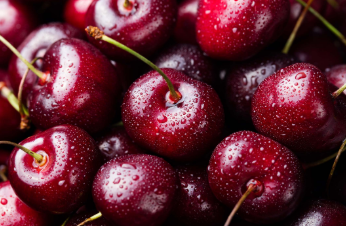

Cherries are one of the most popular summer fruits, loved for their bright colors, sweet flavor, and versatility in both sweet and savory dishes.
But beyond their delicious taste, cherries are packed with nutrients and plant compounds that may support overall health.
So, are cherries good for you? The answer is yes. These small stone fruits contain antioxidants, fiber, vitamins, and minerals that can benefit your heart, muscles, sleep, and overall wellness.
What Are Cherries?
Cherries are stone fruits, also known as drupes, meaning they contain a single pit surrounded by soft fruit.
They belong to the Prunus family, along with peaches, plums, apricots, and almonds.
There are two main types of cherries:
Sweet Cherries
Sweet cherries are the most common type found in grocery stores. Popular varieties include:
- Bing cherries
- Rainier cherries
- Sweetheart cherries
They are usually eaten fresh because of their naturally sweet flavor.
Tart Cherries
Tart cherries, also called sour cherries, have a more acidic flavor and are often used in:
- Cherry juice
- Dried cherries
- Frozen products
- Baking recipes
Montmorency cherries are one of the most widely studied tart cherry varieties.
Both sweet and tart cherries provide valuable antioxidants, although their nutrient profiles differ slightly.
Cherry Nutrition Facts
A 100-gram serving of fresh cherries provides approximately:
- Calories: 63
- Carbohydrates: 16 grams
- Fiber: 2 grams
- Protein: 1 gram
- Vitamin C: 8% of daily value
- Potassium: 5% of daily value
Cherries are especially rich in:
- Anthocyanins
- Polyphenols
- Vitamin C
- Plant antioxidants
These natural compounds give cherries their deep red color and contribute to their health benefits.
6 Health Benefits of Cherries
1. Cherries Support Antioxidant Protection
Cherries are rich in anthocyanins and other plant compounds that help protect cells from oxidative stress.
Antioxidants help the body maintain balance by reducing damage caused by free radicals.
Regularly eating colorful fruits like cherries can be part of a healthy diet that supports long-term wellness.
2. Cherries May Support Heart Health
The antioxidants in cherries, especially flavonoids and polyphenols, may help support cardiovascular health.
Research suggests cherries may contribute to:
- Healthy blood vessel function
- Balanced inflammation levels
- Maintaining healthy cholesterol levels
Adding cherries alongside other heart-friendly foods such as nuts, vegetables, and whole grains can support a balanced diet.
3. Tart Cherries May Improve Exercise Recovery
Tart cherry juice is popular among athletes because it contains concentrated antioxidants and anti-inflammatory compounds.
Some studies suggest tart cherries may help:
- Reduce muscle soreness
- Support recovery after intense exercise
- Reduce exercise-related oxidative stress
Many runners and endurance athletes include tart cherry products as part of their recovery routine.
4. Cherries May Support Better Sleep
Both sweet and tart cherries naturally contain small amounts of melatonin, a hormone involved in regulating sleep cycles.
Research has explored tart cherry juice as a potential way to support:
- Sleep quality
- Sleep duration
- Healthy sleep patterns
While cherries are not a replacement for good sleep habits, they can be a nutritious addition to an evening snack.
5. Cherries May Support Healthy Blood Sugar Levels
Although cherries taste sweet, they contain fiber and beneficial plant compounds that slow digestion.
Fresh cherries have a moderate glycemic impact compared with many processed sweets.
For people monitoring blood sugar, portion size still matters, and fresh or frozen cherries are usually better choices than heavily sweetened cherry products.
6. Cherries May Support Brain Health
The anthocyanins found in cherries are being studied for their potential role in protecting brain cells from oxidative stress.
A diet rich in colorful fruits and vegetables is associated with healthy aging and cognitive support.
More research is needed, but cherries remain a promising addition to a brain-friendly diet.
Are Tart Cherries Better Than Sweet Cherries?
Both types provide health benefits.
Sweet cherries:
- Higher natural sweetness
- Excellent source of anthocyanins
- Great for fresh eating
Tart cherries:
- Higher concentration of certain polyphenols
- Commonly used in research studies
- Popular for sports recovery and sleep support
The best choice depends on your personal preference and how you plan to use them.
Potential Downsides of Eating Cherries
Although cherries are healthy for most people, there are a few things to consider.
1. Natural Sugar Content
Cherries contain natural sugars, so eating very large amounts may not be ideal for everyone.
A balanced serving size is usually enough to enjoy their benefits.
2. Digestive Sensitivity
Some people may experience:
- Bloating
- Gas
- Digestive discomfort
This is often related to the natural sugars and fiber in cherries.
3. Cherry Pits
Cherry pits should not be eaten.
The pits contain compounds that can release harmful substances if crushed or consumed in large amounts.
Always remove pits before giving cherries to young children.
4. Pesticide Concerns
Cherries are often included among fruits where pesticide residues may be a concern.
Whenever possible:
- Choose organic cherries
- Wash cherries thoroughly
- Buy local or seasonal fruit
How to Choose and Store Cherries
When buying fresh cherries, look for:
- Firm texture
- Bright color
- Smooth skin
- No bruising or soft spots
Storage tips:
- Keep cherries refrigerated
- Avoid washing until you are ready to eat them
- Freeze extra cherries for longer storage
Frozen cherries can still be a nutritious option because they are usually frozen shortly after harvest.
Easy Ways to Eat More Cherries
Cherries are incredibly versatile.
Try adding them to:
- Smoothies
- Oatmeal
- Yogurt bowls
- Fruit salads
- Green salads
- Homemade sauces
- Healthy desserts
Some simple ideas:
- Blend frozen cherries with banana for a healthy smoothie
- Add chopped cherries to overnight oats
- Mix cherries with nuts and seeds for a nutrient-rich snack
Final Thoughts
Cherries are more than a delicious seasonal fruit. They provide antioxidants, fiber, vitamins, and minerals that support overall health.
From supporting heart health and exercise recovery to promoting healthy sleep and providing powerful plant compounds, cherries are a valuable addition to a balanced diet.
Whether you prefer sweet cherries fresh from the market or tart cherries in juice or frozen form, this colorful fruit is a simple and enjoyable way to add more nutrients to your meals.